
NYC OFFICE
475 5TH AVE 17TH FLOOR NEW YORK, NY 10017
Sexual abuse is a horrific crime that can have long-term effects. Most child sexual abuse victims don’t even come to terms with the fact that they were sexually abused until years later. Often, decades pass before victims of sexual abuse realize that they have a claim for monetary damages against their abusers. Previous New York law would have barred past victims from bringing a claim, but new laws like the Adult Survivors Act have made it possible for sexual abuse survivors to come forward and seek the justice they deserve by hiring a New York sexual abuse lawyer.
- What is considered Sexual Abuse in New York?
- Who are the perpetrators of sex abuse?
- How can you prove child sex abuse in New York if the abuse happened years ago?
- Can I receive compensation for sexual assault or sexual abuse in New York?
- What should I do if I was sexually abused or if a loved one was sexually abused in New York?
- How can a New York sex abuse attorney help me?
- Can I file a criminal lawsuit against my abuser in New York?
- Can a Lawyer Help me File Under the New York Child Victims Act?
- When should I contact an experienced New York sex abuse law firm?
WHAT IS CONSIDERED SEXUAL ABUSE IN NEW YORK?
Sexual abuse generally refers to a pattern of inappropriate sexual acts against another person. Sexual abuse means any type of sexual conduct that is unwelcome. Physical contact is not required for a person to be sexually abused. Under New York law, a child can never consent to sexual activity. Examples of sexual abuse include making a child watch an adult masturbate, having a child perform sexual acts with an adult, or forcing a child to participate in child pornography. Forcing a child to participate in any sexual conduct is sexual and emotional abuse.
The New York legal system has varying levels of punishment for different types of sex crimes. For example, sexual misconduct has occurred “where a male engages in sexual intercourse with a female without her consent; a person engages in deviate sexual intercourse with another person without the latter’s consent, or a person engages in sexual conduct with an animal or with a dead human body.” The crime of sexual misconduct is a misdemeanor punishable by up to a full year in prison. Other sex crimes include third-, second-, and first-degree rape, with a punishment of up to 4 years, 7 years, and 25 years, respectively, in prison. Additional legislation defines varying degrees of sexual abuse with varying levels of punishment, including predatory sexual assault, predatory sexual assault against a child, sexual conduct against a child, statutory rape, criminal sexual act, forcible touching, persistent sexual abuse, and aggravated sexual abuse.
WHO ARE THE PERPETRATORS OF SEX ABUSE?
Unlike random sexual assault, more than 90% of sexual abuse victims know their offenders. Sex abuse perpetrators don’t come with scary warning signs. In fact, most child sex abusers are often family members or other fellow New Yorkers in a position of trust. Individuals that may commit sexual offenses can be parents, uncles, aunts, physicians, sports coaches, scout leaders, an employer, or leaders in public institutions, private institutions, and religious institutions.
Rudy Tremaroli, a coach and janitor at Lady of Mount Carmel Church and School in the Bronx, and Dr. Reginald Archibald, a doctor at New York’s Rockefeller University Hospital, abused hundreds of children throughout their careers. Dr. Robert Hadden, a former gynecologist at Columbia New York-Presbyterian Hospital, has been accused of sexually assaulting multiple adult patients during their examinations.
Darius Paduch sexual assault lawsuit
Darius Paduch is another New York doctor accused of years-long sexual abuse. According to a recent lawsuit filed by 58 former patients, Paduch allegedly abused potentially thousands of men and boys during his 19-year career as a urologist at the New York-Presbyterian Weill Cornell Medical Center and Northwell Health.
According to the complaint, Paduch groomed his patients and made comments about their bodies and sexual activity. His sexual abuse eventually escalated to include masturbation, inappropriate touching and penetration, the use of sex toys, and playing porn in front of the abused patients.
Another element of Paduch’s alleged sexual abuse was a scheme to addict his patients to opiates. He used this as a way of exerting power over them to commit further sexual abuse. He would reportedly inflict pain on patients through unnecessary surgical procedures performed without anesthesia and then prescribe strong painkillers afterward.
The sexual abuse lawsuit also names the hospitals and medical centers where Paduch worked as defendants. The plaintiffs allege the facilties’ administrators were complicit by failing to report direct complaints to state authorities and attempting to cover up the abuse by trying to buy the victims’ silence.
If you or a loved one was a victim of Paduch’s abuse, our New York sexual abuse lawyers can help seek compensation for the damages.
HOW CAN YOU PROVE CHILD SEX ABUSE IN NEW YORK IF THE ABUSE HAPPENED YEARS AGO?
In a civil case in New York, the burden of proof for showing that sexual abuse happened is by the preponderance of the evidence. If the abuse happened years ago, and there is no longer any physical evidence of the abuse, then cases often turn on the victim’s testimony. If you are an adult survivor of childhood sexual abuse, you can still bring a claim.
WHO CAN BE HELD RESPONSIBLE FOR SEX ABUSE IN NEW YORK?
In a sex abuse lawsuit, you can bring a claim against the person who abused you. The person who abused you may be an employee of a church, sports club, hospital, or other community organization that works with children. If you can show that the organization knew or should have known about the abuse, then you can also sue the organization that the abuser worked for. In recent years, investigations have brought to light the systemic sex abuse that was happening to children in major institutions.
When it comes to child sexual abuse, most people think of the sex abuse scandal involving priests in the Roman Catholic church. In 2002, when more than half of Bostonians were practicing Catholics, the Boston Globe newspaper ran an explosive story about the Catholic church’s institutional cover-up of child sexual abuse by priests. Since then, many victims of childhood sexual abuse have come forward with stories of the horrific abuse they suffered at the hands of a priest. View our New York Predator Priest Index for details on accused priests by diocese.
A similar cover-up by the Boy Scouts of America has also been in the news. In the past several decades, several abuse survivors have come forward with heart-wrenching stories of abuse by troop leaders. Other prime hunting grounds for sexual predators are in child daycare centers, private schools, public schools, nursing homes, and cruise ships.
CAN I RECEIVE COMPENSATION FOR SEXUAL ASSAULT OR SEXUAL ABUSE IN NEW YORK?
Yes. New York law considers sexual abuse a serious crime. The law allows victims of sexual assault or abuse to receive financial compensation for the terrible abuse they suffered at the hands of their abuser. New York law allows financial compensation for the costs incurred as a result of the abuse, such as therapy, counseling, treatment centers, medical treatment, and lost wages due to missed work because of the emotional trauma from the abuse.
Healing from sexual abuse is often a life-long journey. While no amount of money will take away the pain you’ve experienced from being abused, the monetary award from a civil lawsuit can help pay for the treatment you need to heal fully through this tough time. In addition to economic damages, New York law also recognizes that sexual abuse causes intense emotional pain and suffering, so the law allows damages for this type of intangible injury as well. An experienced sexual abuse attorney will help fight for your right to receive the maximum compensation from others.
WHAT SHOULD I DO IF I WAS SEXUALLY ABUSED OR IF A LOVED ONE WAS SEXUALLY ABUSED IN NEW YORK?
If you were sexually abused or if a loved one was abused, you need to report the abuse as soon as possible to local law enforcement and to local sexual abuse centers. The State of New York has established a hotline to call to report sexual abuse. You can also visit the New York City Police Department’s website, which provides a list of resources and services for crime victims. The New York Attorney General also has a Domestic Violence and Sexual Assault Resource Guide on its website.
If the abuse just happened, the first step is to report it and then get to a safe place. Don’t bathe, brush your teeth, shower, or do anything that would remove any DNA evidence. Write down all of the details of what happened to you. Take photographs of any of your injuries. Finally, contact an experienced sex abuse law firm as soon as possible for legal consultation. They can help guide you through every step of the legal process of seeking justice.
HOW CAN A NEW YORK SEX ABUSE ATTORNEY HELP ME?
An experienced New York sex abuse attorney can be invaluable in helping you seek just financial compensation for your abuse. First, the attorney will listen to your story with compassion and understanding in a confidential consultation. Your attorney will also gather the relevant information and evidence in your case and communicate with other parties, including taking witness and expert testimonies. Your attorney will also research the time limits for bringing your case and will assess what your claim is worth. Finally, the attorney will file a civil lawsuit on your behalf in the proper court.
The experienced sexual abuse lawyers at Herman Law restore power to victims of sexual abuse. Our entire team serves as powerful advocates for our clients, advising them how to move forward to receive just compensation from their abusers. During the initial process of about thirty days, the attorneys at Herman Law will develop your case by offering legal advice, discussing the strategy you want to take, and implementing that strategy by collecting all relevant evidence through our Special Investigative Unit. We will work with you through the entire process, from beginning to end, to seek justice for the abuse.
CAN I FILE A CRIMINAL LAWSUIT AGAINST MY ABUSER IN NEW YORK?
Yes. There are two ways to seek justice against your abuser.

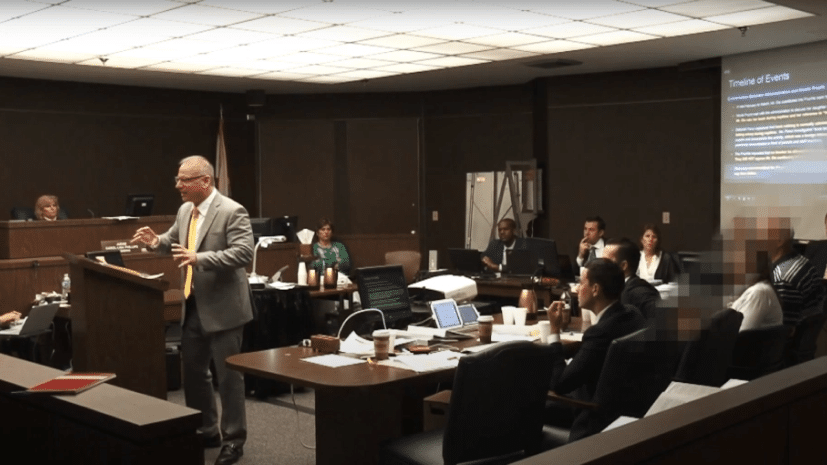
The first is through a criminal action. This is a case brought by the government against your abuser. It is crucial for you to contact local law enforcement officials to initiate your criminal case. When you report the crime, the law enforcement officials then bring criminal charges and a criminal investigation against the alleged perpetrator. A criminal case is between the government and the accused sexual offender. If the government shows beyond a reasonable doubt that the accused person sexually abused you, the person will be found guilty. The criminal justice system has punishment, deterrence, and rehabilitation as its goals, so the person convicted of sexually abusing you will likely serve a lengthy prison sentence.

Aside from a criminal case, another way to seek justice against your abuser is by filing a civil lawsuit. Unlike a criminal case, which requires the government to show beyond a reasonable doubt that the accused person committed sexual abuse, in a civil action, your burden of proof is by a preponderance of the evidence. For the jury verdict, you have to convince 51% of a jury that the defendant sexually abused you. This is a much lower burden than the burden required in a criminal case. Most civil lawsuits alleging sexual abuse are filed years after the abuse occurred. Much of the physical evidence may have been lost, and memories have faded. Sometimes, sexual abuse claims depend solely on the testimony of the victims. This is why it’s sometimes better to recover damages from your abuser through civil claims, where the burden of proof is lower, than trying to seek justice through the criminal courts. Adult survivors of childhood sex abuse can seek monetary compensation for the abuse they endured in civil court.
Thanks to new laws like the Adult Survivors Act, you may be entitled to take legal action even if the abuse occurred many years ago. Contact the experienced legal team at Herman Law to learn about your legal options. You do not have to go through this difficult time alone.
CAN A LAWYER HELP ME FILE UNDER THE NEW YORK ADULT SURVIVORS ACT?
In recognizing this unique aspect of sexual abuse and its impact on victims of child abuse, many states have recently passed laws that allow survivors of sexual abuse to file a civil lawsuit against their abusers. New York State joined in this important movement by passing a law in 2019 that allows survivors of sexual abuse who would otherwise be time-barred to a certain amount of time to file a civil lawsuit. Under New York’s Child Victims Act, you had a year look-back window until August 13, 2021, to file a civil lawsuit against your sexual abuser or anyone else who may be liable. The Act also provides that criminal charges may be brought against a sexual abuser until the victim turns 28 years old. If the child abuse victim was under 11 years old, there is no statute of limitations for the government to bring criminal charges. The Child Victim’s Act, signed by Governor Cuomo, also gets rid of the requirement to file a notice of claim for a sexual offense against a minor and requires judges to participate in training in child sexual abuse cases.
The window for the NY Child Victims Act is now closed. However, in May 2022, Governor Kathy Hochul signed the Adult Survivors Act that created a one-year lookback window for sexual assault survivors that occurred when they were over 18 to sue their abusers regardless of when the abuse occurred. The Adult Survivors Act window opened on November 24, 2022, and closes on November 23, 2023. Contact the team of New York sexual abuse attorneys at Herman Law for a free confidential case evaluation.
WHEN SHOULD I CONTACT AN EXPERIENCED NEW YORK SEX ABUSE LAW FIRM?
If you were a victim of sexual abuse, you need to contact an experienced sex abuse attorney as soon as possible. It’s important to obtain an attorney while evidence and memories are still fresh. You also want to make sure that your civil lawsuit is filed before New York’s new statute of limitations runs out. Remember, the New York Adult Survivors Act allows victims of sexual abuse to file a lawsuit regardless of how long ago the abuse happened. This opportunity will expire soon, though, as the deadline is November 24, 2023. If someone sexually abused you, contact the experienced New York sex abuse law firm of Herman Law now to learn about your legal rights.
All Consultations are FREE and Confidential
* REQUIRED INFORMATION
The Herman Law Firm never over-promised. They kept everything in perspective. But they sure hit a grand slam for me in the end. The firm always kept in contact with me to let me know things were getting done. I was blessed with this firm. Thank You Jeff and Jason for all your empathy and professionalism. You guys really helped me to get closure in my life.
–David E.